


Metal Baler
Company Profile
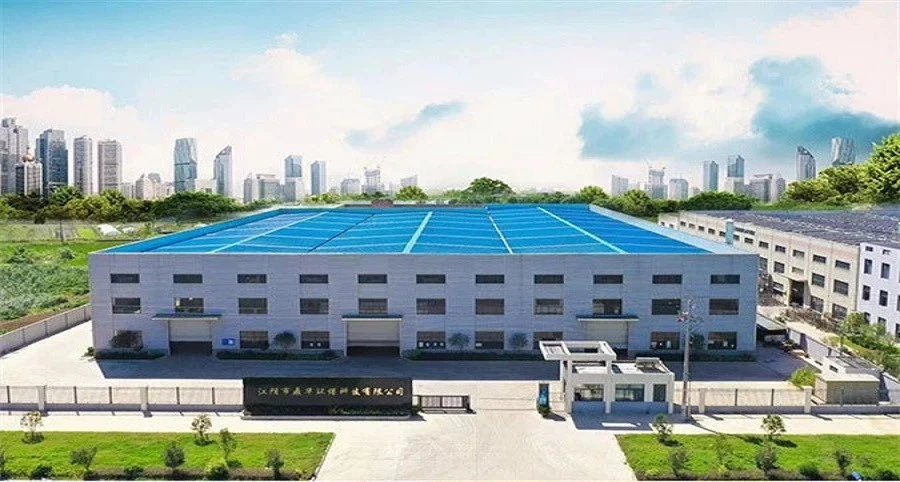
Jiangyin Dinghua environmetal protection Technology co.,ltd. Locates at Jiangyin city at the south bank of golden river with beautiful landscape, comfortable climate, convenient land and water traffic. Established in 2015, we are a manufacturer of baling machine and recycling machine. Engaged in baler design, research, development, manufacturing, installation and trade, we have products famous both at home and abroad. We now own a 30 000 square meter factory.


Metal briquette machine presses the metal waste under high pressure into a briquette form. Normally it is used to reduce the storage cost as well as the conversion ratio in the furnace for metal recycling.
Why choose us
Jiangyin Dinghua Environmental Protection Technology Co., Ltd is a professional manufacturer of waste recycling equipment. Their products include balers, shredders, crushers, granulators, and other related machines. They have been in this field for over 20 years and have gained rich experience in designing and manufacturing recycling machines.
High-quality products
Jiangyin Dinghua uses advanced technology and high-quality materials to make their machines. Their products meet international standards and have passed ISO9001 and CE certificates.
Professional team
Jiangyin Dinghua has a team of experienced engineers and technicians who can design and produce custom-made machines according to customer's specific requirements.
Good reputation
Jiangyin Dinghua has a good reputation in the recycling industry for their high-quality products and excellent after-sales service.
Competitive price
Jiangyin Dinghua offers competitive prices for their products, which are affordable for most customers.

Benefits of Metal Baler
Space Efficient: Metal balers are used to compress metal scrap into smaller and denser bales, which helps in saving a significant amount of space.
Improved Safety: The use of metal balers reduces the risk of injury for workers as the scrap metal is handled and transported more efficiently.
Environmental Friendly: Metal balers aid in recycling scrap metal, thereby reducing the need for raw materials and energy needed to manufacture new metal products, which is environmentally friendly.
Cost-Effective
Metal balers help in reducing the cost of metal transportation, storage, and handling, which ultimately offers cost savings to businesses.
Enhanced Production
The use of a metal baler in a recycling system can enhance production output and revenue as the waste material can be sold for a fair pric
Easy to Use and Maintain
Metal balers are easy to operate and require minimal maintenance, which makes them a preferred choice among businesses.
Reduced Fire Hazard
Metal balers also help prevent fire hazards in the workplace because they prevent the accumulation of combustible scrap metal.
Types of Metal Balers
Now that we understand why to use a metal baler, we can look at some of the many different types. All metal balers have the same primary purpose, but some will have different features or uses. Here are some of the most common types of metal balers.
Ferrous Baler
- Ferrous metal is one of the strongest types of metal. Put simply, these are metals that contain iron.
- Ferrous metals have a high tensile strength and durability. They're mostly used in housing, large-scale piping, industrial containers, and construction.
Non-Ferrous Baler
- In contrast, a non-ferrous baler is for baling non-ferrous metals. These are metals that do not contain iron.
- As the metals don't contain iron, they're considerably weaker than ferrous metals. That makes it easier for a baler to compress them into shape.
- Due to the relative weakness of non-ferrous metals, a non-ferrous baler doesn't need to have as much strength. These balers are often cheaper as a result.
Portable and Stationary
- Both ferrous and non-ferrous balers come in portable or stationary models. Which is superior? The only deciding factor is which one is best for your needs.
- A portable metal baler is effective for travelling to the site of the metal. If you're using a baler to clean up a construction site or reclaim a wreck, this is an excellent benefit.
How a Metal Baler Works
Now that we better understand the use and form of the baler, how do they work? Understanding the concept of how they work is refreshingly simple. Here are the main steps to how a metal baler completes its task.
Compressing
- The first step is to feed and compress the metal. To do so, balers use hydraulic cylinders and a part called the ram.
- The cylinders are tough and durable pieces that can withstand the pressure. These cylinders press the ram, which is used to compress the metal together. These two pieces are doing the majority of the work.
- Inside the baling machine is an area called the Bale Chamber. The Bale Chamber is where your baling machine compresses the metal into bales. The chamber is usually made of thick steel to withstand the pressure. Otherwise, the process of baling the metal would break the baler.
Pressing Lids
One component more common in ferrous balers is the pressing lid. These work as precompression ram that can help to squeeze the metal together. Once it's squeezed together, the ram comes in to compress it more easily.
Crane
- Once the metal is baled, the crane is necessary to move it out of the baler. Without the crane, the metal bale will likely be too heavy for workers to move. Most balers have a built-in crane, but it's sometimes better to have a secondary crane instead.
- However, built-in cranes are more common on portable balers. If your baler is stationary, it's sometimes easier to move a crane to the baler to remove the metal.

Components of Metal Baler
The machine cuts across all metals, whether ferrous or non-ferrous materials or even metallic objects as a whole. It comprises various parts that each come together to execute the final function – baling. These include:
THydraulic Cylinder
The hydraulic cylinder is an essential component of a metal baler since it exerts the force for compression. It is strong and durable to withstand side loading and shocks, but it should undergo regular servicing to ensure it's well-lubricated.
Ram
This part attaches to the front end of the hydraulic cylinder. It presses against the metal box to achieve the desired bale size.
Oil Filter
The oil filter continuously lubricates the hydraulic system to ensure it 's clean and well-functioning. Replacing the oil once it ages is necessary to avoid damaging the hydraulic pumps and fittings.
Hydraulic System
This includes parts that hold the cylinder together to undertake the baling process. They include valves, fittings, hoses, and pumps. Due to their heavy workload, they too require routine part maintenance.
Pressing Lid
This is among the main components of a baler since it's vital to the baling process. A pressing lid supports the ram in compressing the scrap metal during the closing stages of baling. It reverts to its original lock position once compression is over.
Bale Chamber
The bale chamber is where the metallic materials enclose before compression into sizable bales. It has reinforced steel to withstand intense pressures during compression.
Step by Step Summary of the Baling Process
Scrap metal balers play a crucial role in recycling. However, the process isn't straightforward since other balers operate differently from metal balers. So, in summary, here's how the metal process occurs:
- Feeding the scrap material into the baling chamber or press box; immediately, the pump starts
- Once the piston rod reaches out, it presses the side pusher forward, exerting pressure on the chamber's scrap metal
- The final compress occurs as the piston still pushes further into the metal, but the high-pressure oil retreats to the main cylinder
- The cover door opens, and the high-pressure oil slides back into the cylinder's front cavity.
- Here, the side cylinder goes back to its original position as the hydraulic enters the main cylinder
- The main cylinder resets once the hydraulic is in position at the front cavity
- Turning mechanism occurs, and the bale is driven out at high pressure, and the flip cylinder resets

How To Choose The Right Metal Baler?
Metal balers are also called metal block compressors, metal briquettes, scrap aluminum balers, scrap iron balers, brass balers, etc. The purpose of this machine is to compress the size of the metal block, making it convenient for melting, storage, and transportation.
At present, the metal briquette machines on the market use the principle of hydraulic pressure to compress materials. There are usually vertical and horizontal balers. In addition, the pressure range of scrap metal briquette machines produced by different manufacturers is different, ranging from 30 tons to 300 tons. So how to choose a metal baler that suits you?
In order to save their own production costs, some manufacturers cut corners on the machine materials, not only greatly reducing the thickness of the machine sheet, and some manufacturers even change the material of the machine. Many customers may think that this is nothing, and even feel that they spend less money on this is OK. But you need to know that too thin materials will affect the maximum bearing capacity of the machine. There may not be much difference in the initial use process, but long-term use will inevitably cause the machine to malfunction.
There are many different models of metal balers, and their output is also very different. If a large-volume customer buys a small machine, this will have a huge impact on the plant's production efficiency.
The ultimate purpose of metal packing is to melt in a furnace. Therefore, as a person who wants to engage in the metal packaging industry, it is necessary to know the size of the bales required by the upstream metal smelter. If the prepared metal block does not meet the needs of the upstream metal smelter, and people do not recycle the metal block that does not meet the specifications, it will cause a certain degree of loss.
Price is a question of whether you buy any machine. We are sellers and producers of metal balers. Although the price we can provide is not the cheapest, it is certainly not the most expensive in the industry. The price of the metal baler must be worth it's quality!
A metal baler is an industrial machine used to compress and package metal materials into compact bales for easy transport, storage, and recycling. The primary uses of metal balers are:
Recycling: Metal balers are used extensively in the recycling industry to compress and package various types of metals such as aluminum, copper, brass, steel, and iron into compact bales which can be easily transported to recycling facilities.
Waste Management: Metal balers are also used by waste management companies to compress and package large volumes of scrap metal recovered from demolition sites, junkyards, and landfills.
Manufacturing
Metal balers are used in manufacturing plants to compress and package scrap metal generated during production processes. The bales can then be sold to metal recyclers or used in-house for secondary production processes.
Scrap Metal Dealers
Metal balers are also used by scrap metal dealers to compress and package various types of metals for storage, transport, and sale to metal recyclers.
Agriculture
Metal balers are used in the agriculture industry to compress and package scrap metal such as wire, fencing, and farm equipment, which can then be easily transported and sold to recyclers.
What are Features of Metal Baler
High compression force
Metal balers are designed to exert a high amount of compression force on the scrap metal to compress it into a compact size.
Easy operation
Metal balers usually feature a simple design that allows for easy operation, even for novice operators.
Durability
Most metal balers are made of high-quality materials that are rugged and designed to last a long time.
Safety features
Metal balers often come with several safety features such as emergency stop buttons, safety barriers, and interlocking doors to protect the operator throughout the operation.
Versatility
Metal balers can accommodate a wide range of materials such as aluminum, steel, copper, and other metals.
Automated controls
Many modern metal balers are equipped with automated controls that can be programmed for specific tasks such as shredding, compacting, or baling metals.
Space-saving design
Metal balers typically have a compact design that takes up minimal space in a factory or warehouse.
Eco-friendly
Due to their ability to reduce the size of the scrap metal, metal balers help in saving storage space and reducing transportation costs, making them eco-friendly.
What You Should Know When Use Metal Baler
Safety first
Always wear gloves, safety glasses, and other protective gear when operating a metal baler. Make sure the area around the machine is clear and free of obstacles.
Familiarize yourself with the machine
Read the operator's manual carefully and understand the machine's functions. Ensure that all the parts are in proper working condition before operating it.
Sort and prepare the metal
Sort the materials by type and size and remove any non-metallic objects before feeding them into the baler. Make sure to break down large pieces of metal to ensure they fit into the machine properly.
Proper feeding
Feed the metal into the baler evenly and avoid overloading the machine. Follow the specific instructions in the operator manual for the model of baler.
Maintenance
Regularly maintain the baler to keep it in excellent working condition and extend its lifespan.
Proper storage
Once the metal is arranged, store it in a suitable place. Keep it away from sources of heat, fire, and other hazards.
What Are The Applications Of Metal Baler
Scrap recycling: The primary application of metal baler is for recycling scrap metals. It compresses scrap metals such as steel, aluminum, iron, copper, and others into a compact and manageable shape. By doing so, it reduces the volume of scrap metals, making it easier to transport and store.
Manufacturing: Metal baler has significant importance in the manufacturing industry as it helps in recycling scrap metals. Scrap metal materials acquired from different manufacturing processes can also be recycled using balers. This recycling process can save a lot of manufacturing costs and also help protect natural resources.
Waste management: Metal balers can be used to compress non-metallic materials such as paper, cardboard, and plastic. It reduces the overall volumes of these materials, making it easier to transport and dispose of them efficiently.
Agriculture: Many agricultural businesses and farms use metal balers for baling straw, hay, and other crops. It helps in the storage and transportation of these crops, making it easier to manage and transport them.
Construction: Some metal balers are heavy-duty and designed to work with large and bulky materials. The construction industry uses such balers for baling structural steel, rebar, and other large construction materials. This process helps in managing and transporting the materials with ease.
Automotive: The automotive industry uses metal balers to recycle cars and other automotive parts. The baler can compress and bale various materials from automobiles, including engine blocks, transmissions, and body panels.
Maintenance of Metal Baler
Regular cleaning: The metal baler should be cleaned regularly to prevent dirt, dust and debris build up. This can be done using a cloth, brush or compressed air.
Lubrication: The metal baler should be lubricated regularly to prevent rust and corrosion. The moving parts should be lubricated with oil or grease to ensure they work smoothly.
Inspection: Regular inspection of the metal baler is necessary to identify any wear and tear or defects. Any damaged or worn out parts should be replaced immediately.
Tightening: The nuts, bolts and screws of the metal baler should be tightened regularly to prevent any looseness which can cause unwanted movement or damage to the machine.
Electrical connections: The electrical connections should be checked periodically to ensure that they are in good condition and tightened appropriately.
Avoid overloading: It is important to avoid overloading the metal baler to prevent damage to the machine and ensure optimal performance.
Safety checks: Safety checks should be carried out regularly to ensure that the machine is operating safely and efficiently. It is recommended that operators wear proper personal protective equipment when using the machine.
Our Factory
JIANGYIN DINGHUA ENVIRONMENTAL PROTECTION TECHNOLOGY CO.,LTD SINCE 2015
Jiangyin Dinghua environmetal protection Technology co.,ltd. Locates at Jiangyin city at the south bank of golden river with beautiful landscape, comfortable climate, convenient land and water traffic.
Our Product


Y81 series metal baler machine
Q91 series Heavy shear Machine
Q91 series Multiple shear
Q43 series alligator shear
Y83 series metal briquette machine
YDJ series Metal baler shear machine
PSX series steel crush line
EPM series paper plastic baler machine