


Horizontal Baler
Company Profile
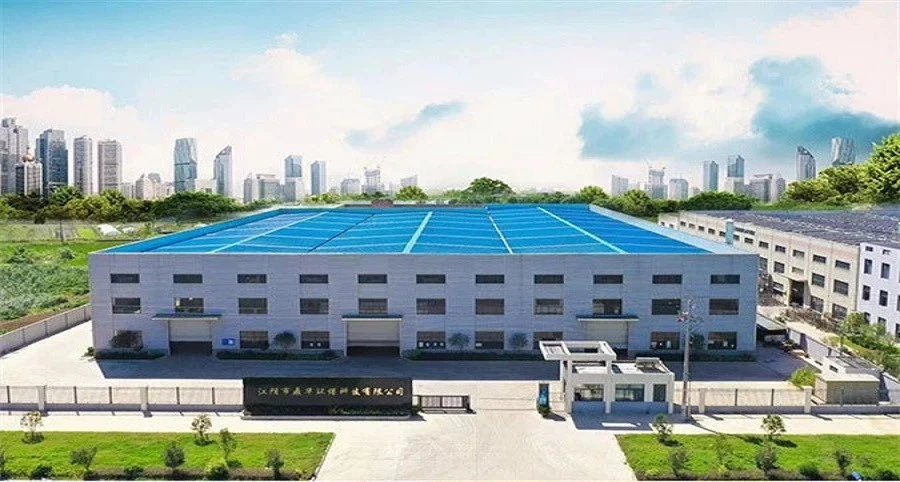
Jiangyin Dinghua environmetal protection Technology co.,ltd. Locates at Jiangyin city at the south bank of golden river with beautiful landscape, comfortable climate, convenient land and water traffic. Established in 2015, we are a manufacturer of baling machine and recycling machine. Engaged in baler design, research, development, manufacturing, installation and trade, we have products famous both at home and abroad. We now own a 30 000 square meter factory.


A horizontal baler is a machine used in waste management and recycling that compresses and binds waste materials into compact rectangular bales. It works by feeding materials into the opening of the baler, which then compresses the materials horizontally using a press. The materials are then tied with wires or straps and ejected from the machine as bales. Horizontal balers are commonly used to compress and manage various types of materials such as plastic, paper, cardboard, textile, and metals. They are popular in industries such as manufacturing, warehousing, distribution, and waste management.
Why choose us
Jiangyin Dinghua Environmental Protection Technology Co., Ltd is a professional manufacturer of waste recycling equipment. Their products include balers, shredders, crushers, granulators, and other related machines. They have been in this field for over 20 years and have gained rich experience in designing and manufacturing recycling machines.
High-quality products
Jiangyin Dinghua uses advanced technology and high-quality materials to make their machines. Their products meet international standards and have passed ISO9001 and CE certificates.
Professional team
Jiangyin Dinghua has a team of experienced engineers and technicians who can design and produce custom-made machines according to customer's specific requirements.
Good reputation
Jiangyin Dinghua has a good reputation in the recycling industry for their high-quality products and excellent after-sales service.
Competitive price
Jiangyin Dinghua offers competitive prices for their products, which are affordable for most customers.
Advantages of Horizontal Balers
Most horizontal balers can process various materials, such as painted aluminum siding or radiators. They produce bales for non-elastic materials such as newsprint and papers.
Horizontal balers can process a higher volume per day and larger bales than vertical models.
They produce bales that are consistent in density and weight, making them easier to store.
Horizontal balers can be used with in-ground or above-ground conveyor belts, shredders, and air systems.
Classification Of Horizontal Baler
Horizontal balers can be classified based on their power source, capacity, and application. Below are some of the common types:
Electric Horizontal Baler: These balers are powered by electricity and are suitable for smaller businesses and industries. They require less maintenance, but their processing capacity is limited.
Hydraulic Horizontal Baler: The hydraulic balers are powered by hydraulic systems and are able to handle large volumes of materials. They are commonly used in large scale industries and recycling centers.
Semi-Automatic Horizontal Baler: These balers require some level of manual input, such as pressing a button to initiate the compression process. They are suitable for mid-sized businesses with moderate amounts of waste.
Fully-Automatic Horizontal Baler: These balers use advanced technology to compress and tie bales without human intervention. They are suitable for large scale industries with high volumes of waste.
Closed-Door Horizontal Baler: These balers have a closed-door design to prevent material from spilling out during the compression process. They are suitable for handling hazardous materials.
Open-End Horizontal Baler: These balers have an open-end design which allows for continuous feeding of materials. They are suitable for handling lighter materials such as paper and cardboard.
Combination Horizontal Baler: These balers are designed to handle multiple materials at once. They can compress different materials into one bale, reducing the need for separate balers.
Working Principle Of Horizontal Baler
Horizontal balers work by compressing and binding waste materials into compact bales using hydraulic pressure. The horizontal chamber of the baler is loaded with the waste materials, such as cardboard, plastic, or paper. Once the chamber is full, the hydraulics apply pressure to compress the material into a dense and compact bale.
The binding mechanism of a horizontal baler involves a wire or strong twine, which is wrapped around the bale to secure it tightly. The baling process typically takes several minutes, after which the compact bale is ejected from the chamber and ready for storage or transportation.


Horizontal balers are designed to handle large volumes of waste, making them ideal for industrial and commercial applications. They are generally more efficient and cost-effective than vertical balers, as they can process larger quantities of waste material at a time.
Overall, the working principle of a horizontal baler involves compressing and binding waste materials into compact bales using hydraulic pressure, making them easier to handle and transport for recycling or disposal purposes.
What You Should Know When Use Horizontal Baler
Safety first: Always follow the manufacturer's instructions and use personal protective equipment, such as gloves and safety glasses when operating a horizontal baler.
Proper installation: The baler needs to be installed correctly on a level surface with proper electrical wiring. Following the installation guidelines from the manufacturer is crucial for ensuring safety and proper functioning of the equipment.
Correct material: Know the material that is appropriate for the baler based on your specific requirements and the equipment's capacity. Check the size and condition of the material you are using, it may need to be pre-processed.
Understanding controls: Learn the different operations, settings and controls of the baler before using any of them. Ensure all employees using the baler have received proper training to understand safety rules, general operation, maintenance and troubleshooting.
Maintenance: Regular maintenance is key to ensure optimal functioning of the baler. Regular checks on the equipment helps to ensure that parts are not worn out, damaged, or blocked. Always locate the hydraulic power pack and disconnect the main power before maintenance.
Preventative Maintenance: Means that routine checks are done on the baler to gradually build up a picture of its operational capabilities and enable proactive actions to repair or replace small issues that might develop into larger ones if left unaddressed.
A horizontal baler is a type of machine that helps compress materials like cardboard, paper, plastics, and metals into large, dense bales for transportation and storage. The working theory behind a horizontal baler is quite simple.
The materials to be baled are fed into a hopper chamber manually or through an automated conveyor. From there, they are moved onto the compression chamber where they are compressed by a hydraulic ram. The ram pushes the material against a metal plate until it is compacted to a certain size.
Once the material is compacted to the desired size, the ram stops and the bale is released onto a conveyer belt or left in the baler. The bale can then be tied up with straps or wires and ejected from the machine.
The hydraulic system that powers the ram uses pressurized hydraulic oil to compress the material while a control system manages the entire process. The baler also has safety features to ensure the operator's safety and reduce the risk of damage to the machine during use.
Overall, the working theory of a horizontal baler is to compress and compact materials into efficient and manageable bales for transport and storage, saving space and reducing waste.
What Are Features Of Horizontal Baler
High throughput capacity: Horizontal balers have a high throughput capacity, meaning they can process large amounts of waste quickly. This makes them ideal for businesses that generate large quantities of waste.
Hydraulic system: A hydraulic system is used to apply pressure to the waste material in the compression chamber. This helps to achieve high compression force and consistent bale density.
Easy loading: Horizontal balers have a wide loading opening that makes it easy to load bulky and large items.
Compression chamber: The horizontal baler has a compression chamber where the waste material is loaded and compressed to form solid bales.
Automatic bale tying: Horizontal balers come equipped with automatic bale tying systems that can tie the bales securely and quickly. This reduces the need for manual labor and makes the baling process more efficient.
Energy efficient: Many modern horizontal balers are energy efficient, with features like automatic shut-off and energy-saving modes. This helps reduce energy consumption and operating costs.
Safety features: Many horizontal balers come equipped with safety features like emergency stop buttons and safety interlocks. These help ensure the safety of operators and prevent accidents.
How Can Horizontal Balers Improve Your Business?
The benefits of a horizontal baler are innumerable. By automating much of the recycling process, these machines free up your personnel for other tasks. In addition, they create more effective means to store and transport your recyclable materials. All-in-all, our recycling equipment can boost productivity and profits for your business. See the benefits below.


Efficiency: With a horizontal baler , your recyclable materials will be quickly and efficiently made into compact bales for storage and transport. These industrial recycling machines work diligently to process your recyclables. All you have to do is load the materials into the feed (manually or with automatic conveyors), then the machine will handle the rest. The recycling process has never been simpler.
Profits: Because horizontal balers can act automatically and require little intervention, you save money on labor costs. In addition, they create compact bales out of your recyclable materials, which allows for cheaper transport. Implementing a horizontal baler can cut costs and drive profits for your business.
Safety: We keep safety at the forefront when we design our recycling equipment. Therefore, a horizontal baler from Balemaster is created to withstand the force of the baling process and allow for easy operation. These industrial recycling machines are created with safety in mind.
Customizability: Along with our baler lineup, we offer a variety of add-ons that can further improve the efficacy of your recycling process. For example, we can install a shredder that processes your paper and cardboard wastes into smaller pieces for more effective baling. We also have conveyor systems that will auto-feed your baler, as well as transport and storage systems that allow the entire process to be automated.
Automatic systems: In addition to our add-ons that automate your baling system, we also have horizontal auto-tie balers. These machines tie each bale for you so that you don't need dedicated staff. Instead, a horizontal auto-tie baler can improve your efficiency and fully automate the process.
What Are The Components Of A Horizontal Baler
The components of a horizontal baler include:
Hopper
The hopper is a large opening on the top of the baler that allows for easy loading of materials into the machine.
Compaction Chamber
The compaction chamber is where the materials are compressed into a compact bale. It is made up of two plates that move together to compress the materials.
Hydraulic System
The hydraulic system powers the compaction chamber, allowing it to move and compress the materials.
Bale Ejector
The bale ejector is a mechanism that pushes the finished bale out of the machine and onto a conveyor or other collection system.
Control Panel
The control panel allows operators to manage and monitor the operation of the baler, including settings for bale size and pressure.
Safety Features
Horizontal balers are typically equipped with safety features such as emergency stop buttons, warning lights, and interlocks to prevent accidental injury.
The Considerations For Buying Horizontal Baler
When considering purchasing a horizontal baler, there are several important considerations to keep in mind:
Type of material: What type of material do you plan on baling? Different balers are designed to handle specific materials, such as cardboard, plastic, or metal. Make sure you choose the right baler for your specific material needs.
Capacity: How much material do you plan on baling in a given day or week? Make sure you choose a baler with enough capacity to handle your expected volume.
Space: How much space do you have available for your baler? Consider the dimensions of the baler and the space needed for loading and unloading bales.
Power source: Will the baler require an electrical or hydraulic power source? Make sure you have the appropriate power source available and sufficient supply to handle the power requirements of your baler.
Safety: Consider the safety features of the baler, such as emergency stop buttons, safety cages, and interlock systems, to ensure safe operation.
Maintenance: Consider the maintenance requirements of the baler, such as lubrication and cleaning, to ensure that it stays in good condition and operates efficiently.
Cost: Finally, consider the overall cost of the baler, including initial purchase price, installation, and long-term operating costs. Choose a baler that offers the best value for your money in terms of performance, features, and reliability.
Cost Of A Horizontal Baler
The cost of a horizontal baler machine can get divided into the machine's cost and the operating and maintenance costs.
The machine itself can be bought in one go, leased, or rented for a specific period. Leasing or renting a horizontal baler spreads out the substantial investment. Still, because the leasing and renting prices can differ per situation, we only focus on the overall cost of the machine.
We split the horizontal balers into a low-volume closed-end group and a high-volume open-end one to give a more accurate indication.
Which Baler Is Right For Me?
While you are comparing options for buying a baler, here are some questions to ask:
How many bales will I be producing daily
Generally, vertical balers are best for operations producing no more than eight to ten bales per day. Horizontal balers should be considered for operations creating a higher amount.
How much space do I have
Consider the height of the operation and the amount of floor space available. Keep in mind you'll need space for maintenance too.
What is your budget
When choosing a baler, consider the costs associated with investing with the type you get. Also, don't forget to include the costs you can get in return for selling the baled materials.
The benefits of our Horizontal Baler range
Fully-automatic baling cycle.
Semi and fully-automatic wire tying.
Highly efficient, low-noise operation.
The bales produced can be manually binded by the operator or fully automatically by the machine.
Horizontal balers are the best solution for handling large volumes of packaging materials or waste.
Reliable, low maintenance machines.
Storage space can be kept to a minimum with such highly-compacted bales and they can be transported in cost effectively. With our comprehensive pre and post sales service you can be assured that you'll have a top quality Baler for years to come.
Our Factory
JIANGYIN DINGHUA ENVIRONMENTAL PROTECTION TECHNOLOGY CO.,LTD SINCE 2015
Jiangyin Dinghua environmetal protection Technology co.,ltd. Locates at Jiangyin city at the south bank of golden river with beautiful landscape, comfortable climate, convenient land and water traffic.
Our Product


Y81 series metal baler machine
Q91 series Heavy shear Machine
Q91 series Multiple shear
Q43 series alligator shear
Y83 series metal briquette machine
YDJ series Metal baler shear machine
PSX series steel crush line
EPM series paper plastic baler machine